



How to Clean and Care for Silver Jewelry: A Complete Guide
You invest in beautiful chandi ke zewarat (silver jewelry), and then a few weeks later it starts looking dull, dark, or discolored. It feels like a loss, but here's the truth: tarnishing is completely normal for 925 sterling silver, and it is completely reversible. The real issue is not the metal itself, it is how the jewelry is cleaned, stored, and worn day to day.
This guide covers everything you need to know, from understanding why silver turns black (kaala kyun parta hai) to step-by-step cleaning methods you can do at home, proper storage habits, and the everyday mistakes that silently damage your jewelry over time.
Key takeaway: 925 sterling silver is 92.5% pure silver. It is durable, hallmarked, and built to last for years, but only if you treat it right. A little routine care goes a very long way.
Why Does Silver Jewelry Turn Black? (Kaala Kyun Parta Hai)
Silver tarnishes when it reacts with sulfur compounds in the air, forming a layer of silver sulfide on the surface. This is a chemical process, not a sign of poor quality. Even the finest hallmarked 925 silver will tarnish over time if left untreated.
The real culprit is your environment. Cities like Karachi, with high humidity and salty coastal air, accelerate tarnishing significantly faster than dry climates. That dark layer you see is not damage; it is a surface reaction that can be fully removed.
Common Causes of Tarnishing
-
Perfume and hairspray (itr aur baalon ki spray): Sulfate-rich products are the fastest way to blacken silver. Always put jewelry on after applying fragrance, not before.
-
Sweat and skin oils (pasina): Natural perspiration contains salts and acids that react with silver, especially during summer months.
-
Household chemicals: Bleach, cleaning sprays, and dishwashing liquids corrode silver quickly. Remove jewelry before any cleaning work.
-
Humid bathrooms: Storing silver in a bathroom cabinet exposes it to constant steam and moisture, which speeds up tarnishing.
-
Rubber bands and plastic bags: Both contain sulfur compounds. Never store silver wrapped in rubber or in regular plastic bags.
-
Cooking with sulfur-rich foods: Eggs, onions, and mustard can tarnish silver on contact.
The good news: once you know what causes it, prevention becomes straightforward.
How to Clean Silver Jewelry at Home (Ghar Mein Safai)
You do not need expensive products or professional tools for most cleaning jobs. The methods below use items you already have at home and are safe for all standard 925 sterling silver pieces, including rings, earrings, bracelets, and pendants.
Method 1: Mild Soap and Warm Water (Sabun aur Paani)
Best for: Light dirt, everyday buildup, lightly tarnished pieces.
-
Mix a few drops of gentle dish soap into a bowl of lukewarm water.
-
Soak the jewelry for 5 to 10 minutes to loosen dirt and residue.
-
Use a soft-bristled toothbrush to gently scrub, paying attention to crevices and detailed designs.
-
Rinse under cool running water.
-
Pat completely dry with a soft lint-free cloth. Do not air dry; moisture left on the surface accelerates tarnishing.
Important: Never use hot water. Extreme temperature changes can loosen settings on gemstone pieces.
Method 2: Baking Soda and Aluminum Foil (Baking Soda Tareeqa)
Best for: Moderate to heavy tarnish, intricate designs, chains, and detailed pieces.
-
Line a bowl with aluminum foil, shiny side facing up.
-
Place the silver jewelry on the foil, ensuring each piece touches the foil directly.
-
Sprinkle 1 tablespoon of baking soda per cup of hot water over the pieces.
-
Pour hot water into the bowl until the jewelry is fully submerged. It will begin to bubble; this is the chemical reaction lifting tarnish.
-
Soak for 2 to 5 minutes.
-
Remove, rinse thoroughly, and dry completely with a soft cloth.
This method works through an electrochemical reaction that transfers the tarnish from the silver onto the aluminum foil. According to Good Housekeeping, it is one of the most effective at-home methods for removing sulfur-based tarnish.
Method 3: White Vinegar and Baking Soda
Best for: Stubborn tarnish on plain silver pieces without gemstones.
-
Place jewelry in a bowl and cover with white vinegar.
-
Add 2 to 3 tablespoons of baking soda; it will fizz immediately.
-
Let soak for 2 to 3 hours.
-
Rinse well and dry thoroughly.
Note: Skip this method for pieces with pearls, turquoise, or porous gemstones, as the acidity can damage them.
Cleaning Frequency Guide
| Frequency | Action |
| After every wear | Wipe with a soft dry cloth (naram kapra) |
| Weekly | Quick buff with a silver polishing cloth |
| Monthly | Mild soap and warm water wash |
| Every 3 to 6 months | Deep clean with baking soda and foil method |
Consistent light maintenance is far better than infrequent deep cleaning. It prevents heavy tarnish buildup and extends the life of your zewarat significantly.
What NOT to Use on Silver Jewelry
This is where most people go wrong. Several popular "hacks" circulating online will actually damage your silver over time. Avoid these completely:
-
Toothpaste (toothpaste): Abrasive enough to leave micro-scratches on the surface, dulling the finish permanently.
-
Bleach or ammonia-based cleaners: These accelerate tarnishing and can corrode the metal structure.
-
Paper towels or rough cloths: Microscopic fibers cause fine scratches. Always use a soft cotton or microfiber cloth.
-
Ultrasonic cleaners: Safe for plain silver, but can loosen or crack gemstone settings in pieces like pendant sets.
-
Windex or glass cleaner: Contains ammonia; a no-go for silver.
-
Leaving jewelry wet: Even clean water left sitting on silver will cause tarnishing. Always dry completely after cleaning or washing hands.
The rule of thumb: if it feels abrasive or contains acids, alcohol, or ammonia, keep it away from your chandi ke zewarat.
How to Store Silver Jewelry Properly (Sahi Tareeqe Se Rakhna)
Storage is where most silver jewelry is either protected or quietly destroyed. The environment your jewelry sits in between wears matters just as much as how you clean it.
The Ideal Storage Conditions
Silver should be kept in a cool, dry, and dark place. A felt-lined or fabric-lined jewelry box (zewarat ka dibbah) is ideal. Each piece should have its own compartment or be wrapped individually to prevent scratching.
For Karachi's humid climate specifically: humidity is silver's biggest enemy locally. Add silica gel packets (silica packets) to your jewelry box to absorb moisture from the air. Replace them every few months. Even a small piece of chalk or activated charcoal inside the box helps keep the air dry.
Storage Do's and Don'ts
| Do | Don't |
| Store in a fabric-lined box | Store in the bathroom |
| Keep each piece separate | Toss pieces together loosely |
| Add silica gel packets | Use rubber bands to bundle pieces |
| Use anti-tarnish pouches or strips | Store in regular plastic bags |
| Keep away from direct sunlight | Leave on a vanity near perfume bottles |
Storing Different Piece Types
-
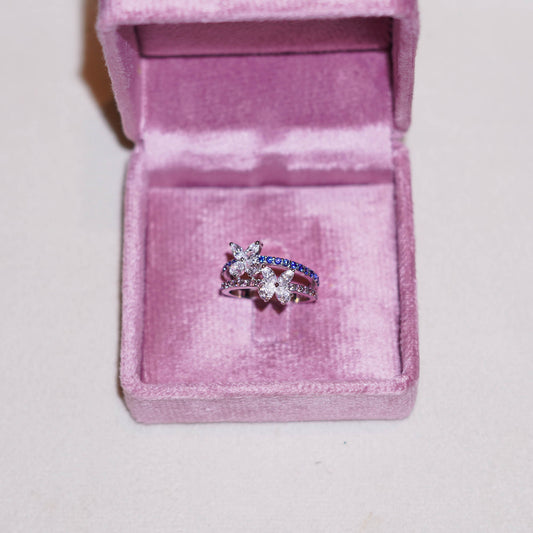
Rings (anguthi): Store upright in ring slots or individually in small pouches to avoid scratching the band.
-
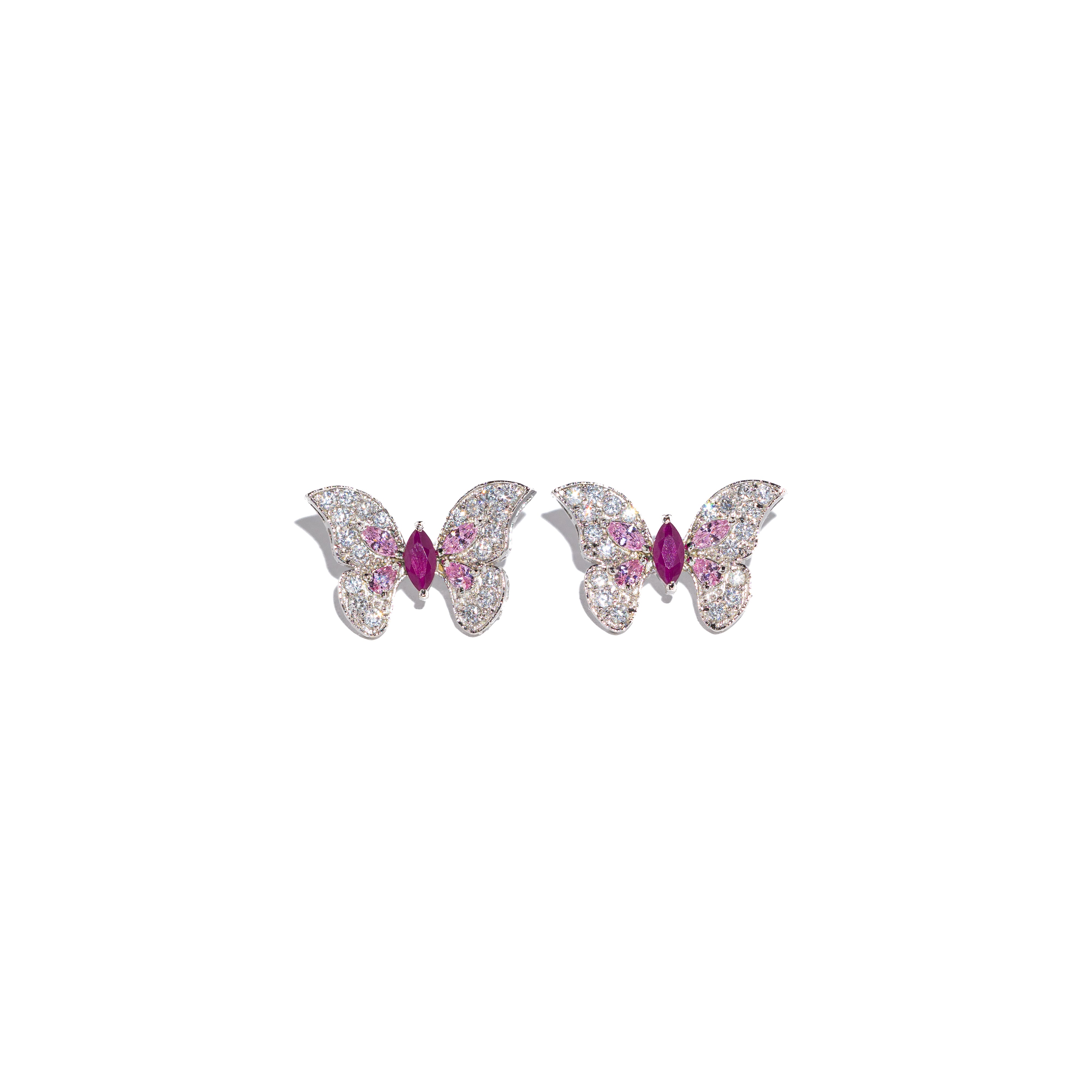
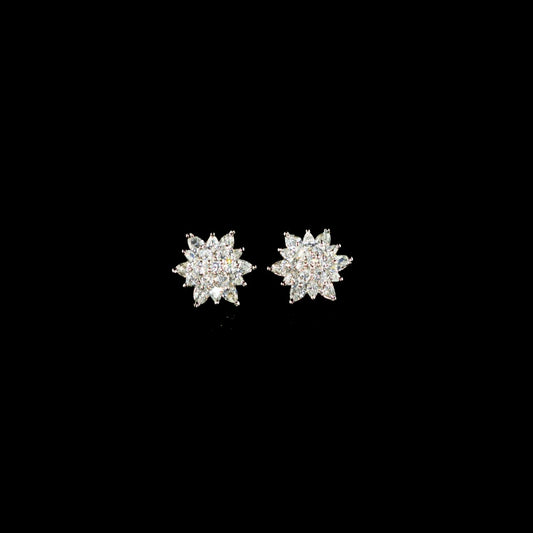
Earrings (baaley / jhoomkay): Keep pairs together. Use a dedicated earring holder or small zip-lock anti-tarnish bags.
-
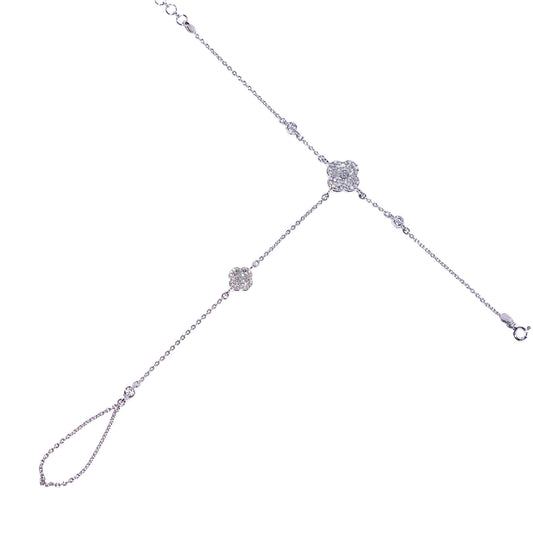
Bracelets (kangan / choorhay): Store flat or hanging; avoid stacking them directly on top of each other.
-
Pendants and pendant sets (pendant / haar set): Hang necklaces to prevent chain tangling, or lay flat in individual slots.
The single most damaging habit: leaving silver jewelry on a bathroom shelf or vanity. Steam, hairspray, and chemical fumes from beauty products will tarnish even the best quality silver within days.
Daily Wear Tips to Keep Silver Looking New (Rozana Pehannay Ka Sahi Tareeqa)
How you wear your silver is just as important as how you clean and store it. These habits, once formed, require almost no extra effort but make a significant difference in how long your pieces stay bright.
The Golden Rule: Last On, First Off
Put your silver jewelry on last, after applying perfume, lotion, hairspray, and makeup. Take it off first when you get home, before washing hands, cooking, or cleaning.
This one habit alone reduces tarnishing dramatically.
Wear It Often
Counterintuitively, silver that is worn regularly tarnishes less than silver left sitting in a drawer. The gentle friction of daily wear and the natural oils in your skin help maintain the surface finish. Jewelry that sits unworn for months tends to develop heavier tarnish that requires more effort to remove.
When to Remove Your Silver
Always take off your chandi ke zewarat before:
-
Showering or bathing (nahana): Soap, shampoo, and steam all accelerate tarnishing.
-
Swimming (tairna): Chlorine in pools and salt in the sea are highly damaging to silver.
-
Exercising (exercise): Sweat and friction wear down the surface over time.
-
Cooking (khaana pakana): Especially when working with eggs, onions, or acidic ingredients.
-
Household cleaning (safai): Bleach and cleaning products corrode silver on contact.
-
Sleeping: Chains can tangle, clasps can bend, and rings can scratch.
A practical tip for Pakistan's warm climate: During summer, sweat (pasina) is unavoidable. Make it a habit to wipe down your silver with a soft dry cloth every evening after removing it. This 10-second habit prevents buildup from hardening into difficult tarnish.
When to Get Professional Cleaning Done
Home cleaning handles the vast majority of tarnish and everyday buildup. But there are situations where professional cleaning is the right call.
Consider professional cleaning when:
-
Tarnish is deep and persistent: If multiple rounds of home cleaning have not restored the shine, a jeweler can use professional-grade solutions and ultrasonic equipment safely.
-
The piece has delicate gemstones: Certain stones like pearls, opals, and turquoise require specialist handling that home methods cannot provide safely.
-
Clasps, settings, or chains are damaged: A professional can clean and repair simultaneously.
-
The piece has sentimental or high monetary value: Wedding jewelry (shaadi ke zewarat), heirloom pieces, or heavily detailed sets deserve professional attention once or twice a year.
For everyday pieces, professional cleaning once a year is more than sufficient if you follow the home care routine consistently. For special occasion jewelry that is worn rarely and stored for long periods, a professional clean before the next occasion keeps it looking its best.
Is 925 Sterling Silver Worth the Care?
Absolutely. The reason 925 sterling silver is the global standard for fine silver jewelry is because it strikes the right balance between purity, durability, and affordability. At 92.5% pure silver, it is soft enough to be crafted into intricate designs but strong enough for daily wear.
The small maintenance effort it requires is minimal compared to what you get: genuine hallmarked silver that holds its value, looks elegant, and can last a lifetime with proper care.
The key insight most buyers miss: tarnishing is not a quality problem. It is a chemistry problem. And chemistry problems have simple solutions. A piece of high-quality silver jewelry that tarnishes and gets cleaned properly will outlast a plated piece that never tarnishes but loses its coating within months.
If you are building your chandi ke zewarat collection, the investment in real 925 sterling silver, combined with the care habits in this guide, is always the smarter long-term choice.
Final Thoughts
Caring for silver jewelry does not require a complicated routine. It requires consistent, simple habits: wipe it down after wearing, store it dry and away from humidity, clean it gently when needed, and keep it away from chemicals and abrasives.
Follow these steps and your chandi ke zewarat, whether everyday rings, delicate earrings, layered bracelets, or a complete pendant set for a special occasion, will stay bright and beautiful for years.
TRENDING PRODUCTS